OTT Conference 2025 – Think tanks and impact

Organised by OTT
Event type Conference
Location Johannesburg, South Africa
Start date 17 June 2025
End date 18 June 2025
Thank you for making the 2025 OTT Conference a success! Explore key insights and outputs here.

Join think tank leaders, funders and policy experts from around the world at OTT Conference 2025, hosted in partnership with the South African Institute of International Affairs (SAIIA), and the New South Institute (NSI).

On Think Tanks is the leading global source of information, support and community for people working in, with and funding think tanks.

The OTT Conference is the only global space for think tanks that cuts across disciplines, sectors, regions and ideological preferences.

Register your interest

While the 2025 OTT Conference has come to a close, the journey continues—register your interest for 2026 today!

Learn more.

About the OTT conferences

OTT conferences are designed to create opportunities for formal and informal interactions, and for participants to create sessions on topics relevant to them.

The programme includes a public event on the first evening, followed by a lineup of keynote addresses, plenary and parallel sessions.

The programme includes extended coffee and lunch breaks for networking, a marketplace of ideas, and fringe events hosted by participating organisations throughout the week.

We invite all participants to use their time in Johannesburg to organise meetings and fringe events with other conference-goers. If you want our support to connect you with other participants from a specific sector or region, reach out.

Watch the sessions from the 2023 conference and 2024 and read about the OTT 2024 Conference!

Past OTT Conferences have featured 1,300+ attendants from 100+ countries.


OTT Conference 2025: Think tanks and impact

Think tanks play a vital role in shaping policy. They engage with a diverse range of actors within the policy ecosystem to facilitate dialogues, prepare future generations of analysts and decision-makers, and enhance the capacity of various entities, including political parties and the private sector.

Understanding their impact, therefore, requires a comprehensive approach that goes beyond a forum on direct policy outcomes. This varies based on the institutional strength of the sectorial and institutional frameworks they operate in, and crucially their funding environment.

In situations where policymakers do not adopt the recommendations of think tanks, does this undermine their influence? Is policy impact the only way to measure a think tank’s value?

To gain an in-depth understanding of their contributions, think tanks must also consider how they can benefit society in other ways—by generating and safeguarding ideas, supporting various actors, and building the capacity of organisations like political parties and the private sector. Recognising these diverse contributions not only highlights their broader societal value but also helps think tanks demonstrate their worth to funders, gain advantage in the multiple spaces they operate in, and challenge traditional methods of assessment.

With South Africa set to preside over the G20 in 2025, platforms like the T20 exemplify how think tanks can generate and advocate for policy recommendations on a global stage. This context underscores the importance of understanding their multifaceted roles and contributions within both local and international frameworks.

Partnership and sponsorship opportunities

We are grateful for the support of the support of the Hewlett Foundation, Robert Bosch Foundation, the Ford Foundation, Soapbox and Mercator Stiftung.

We are also building a robust coalition of local partners, including the Institute for Security Studies, the Institute for Global Dialogue, NEPAD’s Policy Bridge Tank and Southern Hemisphere.

Get in touch if you would like to sponsor OTT Conference 2025.

Download the Conference Concept Note


Useful resources

Voices from our community

“It was such a great pleasure to participate in the very thoughtfully designed sessions and the enriching keynotes – my first time at the OTTConference makes me curious for the future – it was a delight to have safe space and to be able to discuss the challenges so freely.”

— Sona Mitra, Director Policy and Research, Institute for What Works to Advance Gender Equality

“Congratulations 👏👏 On Think Tanks Enrique Mendizabal for organizing this great gathering and for bringing us together. We at PEP – Partnership for Economic Policy are honored to be part of this community. It was an incredible gathering. So much to learn and to share in only 2 days. I can attest that the On Think Tanks 2024
ottconference was a great success.”

— Jane Mariara, Executive Director, Partnership for Economic Policy

“A huge thank you to the excellent On Think Tanks team and Enrique Mendizabal for a terrific conference last week, and to Gabriela Suarez Buitron, Rasheed Draman and Dr. Angela Huston Gold for an exciting session on think tanks and elections. A rare opportunity to take stock and compare notes on shared challenges and opportunities with think tankers from all around the world!”

“It was an excellent opportunity to (re)connect, learn and exchange ideas with think tankers, funders and policy experts from around the world. For IIED Europe, it was also a great occasion to explore alliances and partnerships to help us maximise the impact of our work.”

“I had a truly fantastic time at the On Think Tanks Conference 2024 in Barcelona hosted by Fundació Bofill over the last week. Thank you OTT team for organising such a fantastic event and looking forward to next year’s conference.”

— Tricia Yeoh, CEO of IDEAS, Malaysia
Keynote speakers

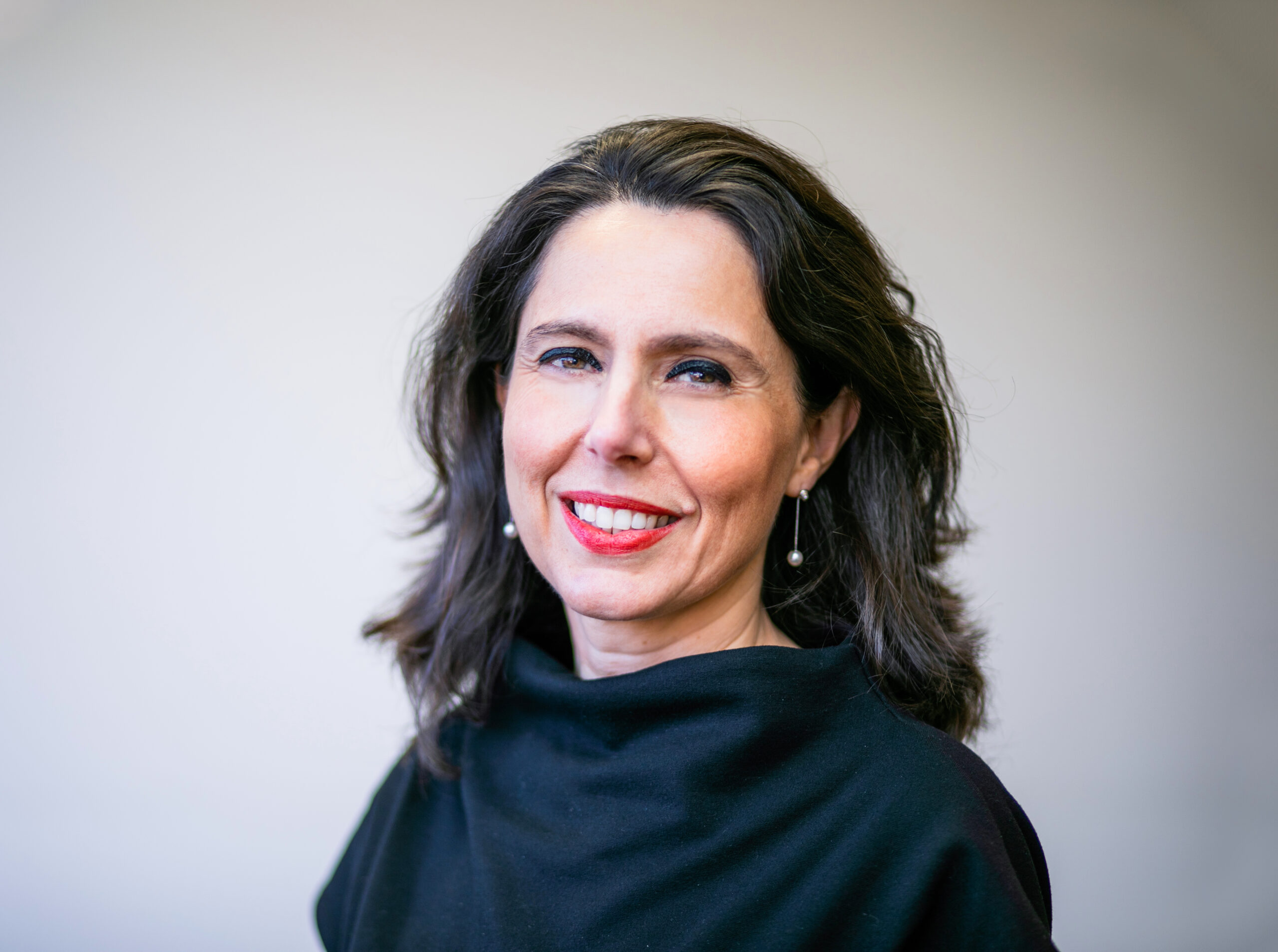
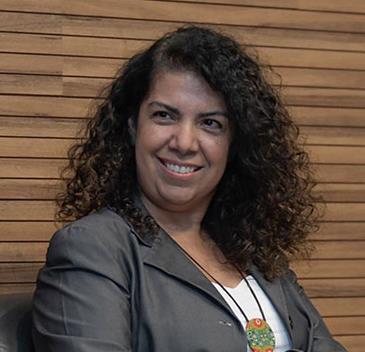
Dr. Luciana Mendes Santos Servo

Dr. Luciana Mendes Santos Servo

President, Ipea

View 'Dr. Luciana Mendes Santos Servo' profile
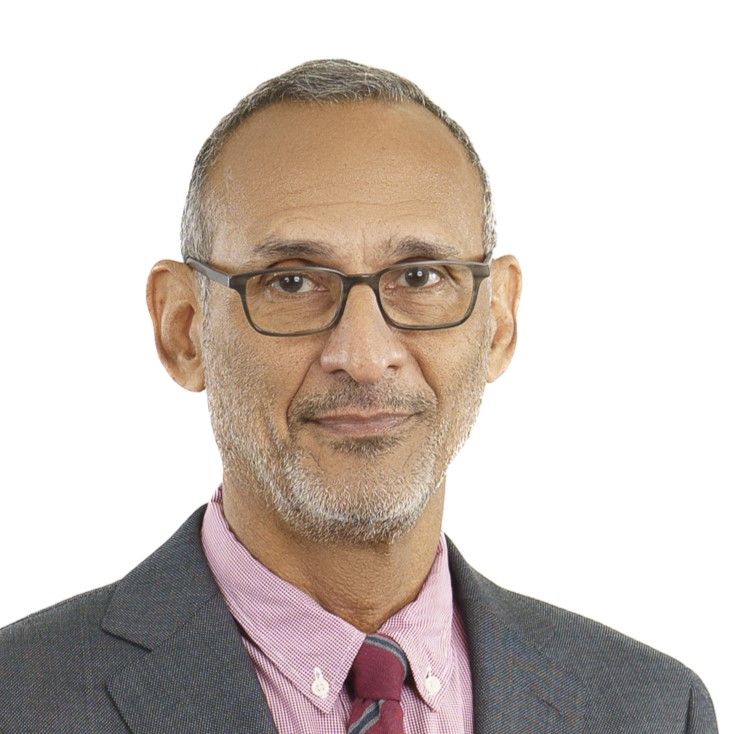
Damien King

Damien King

Executive Director, the Caribbean Policy Research Institute (CAPRI)

View 'Damien King' profile
Sara Pantuliano

Sara Pantuliano

Chief Executive at ODI

View 'Sara Pantuliano' profile
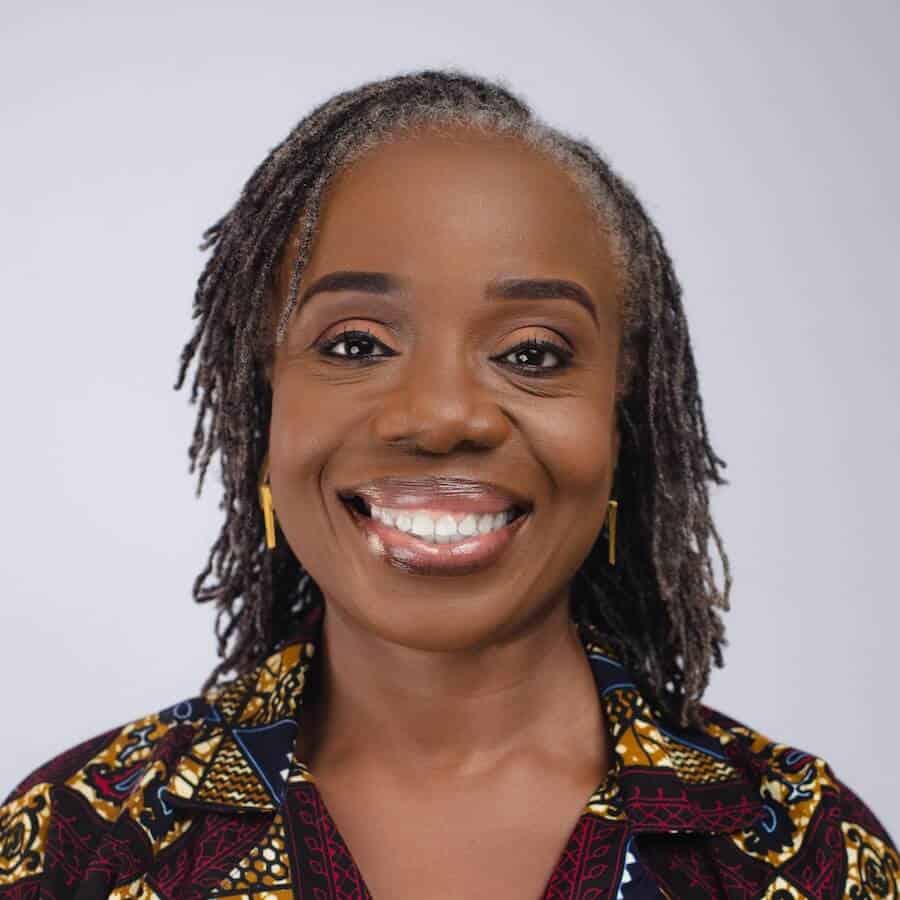
Mavis Owusu-Gyamfi

Mavis Owusu-Gyamfi

President and CEO of the African Center for Economic Transformation (ACET)

View 'Mavis Owusu-Gyamfi' profile

Agenda

Day 1: 17 June 2025

9:00 - 9:30 am
Registration & coffee
9.30 - 10.00 am
Welcome

Elizabeth Sidiropoulos, Chief Executive, South African Institute of International Affairs (SAIIA)
Ivor Chipkin, Co-Founder and Director, New South Institute (NSI)
Enrique Mendizabal, Founder and Executive Director, On Think Tanks (OTT)

10:00 - 10:30 am
Keynote: The power of coalitions in influencing change

Mavis Owusu-Gyamfi, President and CEO of the African Center for Economic Transformation

Think tanks often operate in silos, leading to duplication, research gaps, and missed opportunities. But across Africa, a new model is emerging—one of co-creation, collective advocacy, and direct engagement with leaders. This dynamic ecosystem bridges research, analysis, and policy, unlocking unprecedented influence over economic transformation. In this keynote, Mavis Owusu-Gyamfi, President & CEO of the African Center for Economic Transformation, shares her first-hand experience in building coalitions that drive real change. What lessons can we take from Africa’s success, and how can this approach be replicated globally? Join us to find out.

10:30 - 11:00 am
Coffee break
11:00 am - 12:30 pm
Parallel sessions
Workshop: Turning evidence into impactful campaigns

Cynthia Mugo, Policy and Stakeholder Engagement Advisor, International Livestock Research Institute (ILRI)
Michael Victor, Head of Communications and Knowledge Management, International Livestock Research Institute (ILRI)
Facilitator/moderator: Natallia Nenarokamava, Head of Strategy, Cast from Clay

Publishing research in lengthy policy reports isn’t enough—your ideas need to cut through the noise. In this hands-on session, you'll learn how to transform complex data into compelling campaigns that capture attention and drive action. Using real-life case studies from the International Livestock Research Institute’s campaigns at COP and UNFSS, we'll explore creative storytelling, message distillation, and audience engagement strategies. Bring your own report—we’ll work together to make your research impossible to ignore.

Change hubs: Beyond differences

Erica Schoder (US), Executive Director, R Street Institute
Liliana Alvarado, Executive Director, ETHOS
Monica Nadal, Research Director, Fundaciò Bofill
Facilitators/moderators:
Chandré Gould, Senior Research Fellow, Institute for Security Studies (ISS)
Senzekile Bengu, Research Office, Institute for Security Studies (ISS)

To achieve meaningful impact, think tanks must collaborate across divides—political, institutional, and ideological. But polarisation, shrinking civic space, and funding uncertainty raise tough questions: When is collaboration worth the risk? How do you build trust across conflicting positions? This session explores coalition-building in turbulent contexts, grounded in real experiences. Rather than debate, we will engage in a collective exploration of dilemmas, strategies, and principles to guide collaboration when legitimacy and safety are at stake.

Gaming state capture

Sonja Stojanovic Gajic, Research Fellow, the University of Rijeka

With 72% of the world’s population living under autocratic regimes, state capture is reshaping policymaking. This session challenges participants to analyse real-life authoritarian scenarios and identify adaptive strategies for think tanks. How can policy actors resist co-option, maintain integrity, and stay relevant when institutions are repurposed for elite interests? Through shared experiences and strategic reflection, we will explore how think tanks can survive, adapt, and even resist in hostile contexts without losing sight of their missions.

The future of think tanks: Strategic foresight mini-workshop

Estefania Terán V, Senior Associate, OTT
Joy Chatterjee, Senior Associate, OTT
Stewart Nixon, Deputy Director, Research, IDEAS Malaysia
Facilitator/moderator: Tanja Hichert, Futures and Foresight Practitioner

In a fast-changing world, think tanks must anticipate complex, uncertain futures. This session introduces Futures and Systems Thinking, using the Three Horizons Framework to help participants: understand assumptions and change; make sense of complex systems; and identify strategic options for shaping their preferred futures. It offers a hands-on, participative approach to connect the present with what’s coming—and what’s possible.

12:30 - 1:30 pm
1:1 meetings / Regional meet-ups / Fringe events

How can we build stronger regional think tank communities? Meet with your regional peers to discuss shared challenges and opportunities for collaboration. This interactive space will be facilitated by session conveners from each region:
LAC, US and Canada, MENA, Sub-Saharan Africa, South Asia, East Asia, Europe, Central Asia, Western Balkans

1:30 - 2:45 pm
Lunch
2:45 - 3:15 pm
Plenary: In conversation with think tank funders

Christopher Chibwana, Program Officer in Gender Equity and Governance at the William and Flora Hewlett Foundation
Diana Hollmann, Economy and Society, Knowledge for Transformation (K4T), Deutsche Gesellschaft für Internationale Zusammenarbeit (GIZ) GmbH
Edgard Rodriguez, Senior Programme Specialist (Myanmar lead), International Development Research Centre (IDRC)

3:15 - 3:45 pm
Keynote: Beyond budgets: Shaping the future – ODI Global’s role in global reform

Sara Pantuliano, Chief Executive, ODI Global

How can think tanks maximise impact beyond budget growth? Sara will unveil how ODI Global has shifted from a project-based approach to an agenda-driven strategy, amplifying influence and leveraging research for real-world change. From reforming Multilateral Development Banks to engaging with the G20 and reshaping humanitarian narratives on localisation in Sudan, and Myanmar—ODI is at the forefront of global transformation. Discover ODI Global’s renewed vision to become a truly global organisation, its commitment to acknowledging local challenges and perspectives, and what it takes to drive systemic change in today’s world.

3:45 - 4:15 pm
Coffee break
4:15 - 5:45 pm
Parallel sessions
Inside, outside, and in between: How think tanks influence policy

Carien Vorster, Roger Federer Foundation, South Africa
Nancy Lozano Gracia, Program Manager, Institute for Economic Development, World Bank
Nompumelelo Nyathi, Deputy Director: Research, Monitoring & Evaluation, Department of Basic Education
Pamla GoPaul, Senior Program Manager, AU-NEPAD
Rico Bergemann, Associate Director, IDInsight
Tatiana Garcia, Manager Colombia Evidencia Potencial en Educación (CEPE), Fundación Empresarios por la Educación
Facilitator/moderator: Racheal Makokha, Research and Projects Officer,OTT

Think tanks pursue impact through diverse models—from insider advisory roles to independent public engagement. Each comes with trade-offs around legitimacy, autonomy, and effectiveness. This session explores how context shapes these strategies and what they reveal about the evolving relationship between evidence and policymaking. Participants will reflect on how their own organisations navigate these tensions, what defines success, and how strategic positioning affects credibility and influence.

Workshop: Transforming evidence for policy: Doing research differently to have impact

Facilitators:
Alana Potter, Associate, IRC
Carolina Scherer Beidacki, Researcher, Instituto Veredas
Corinna Reichenberg, Think Tank Lab, German Council on Foreign Relations
Yamunna Rao, Head of Summit and Content, Global Solutions Initiative
Wanda Nick, Think Tank Lab, Mercator Institute for China Studies

The days of researchers producing knowledge, hoping it influences policy, are gone. To drive real change, we must rethink how evidence is generated. Co-creation, collaboration, and strategic design are essential. This session invites participants to reimagine “evidence for policy” as a more impactful, relevant process—without losing critical perspectives. Instead of prescribing a model, it promotes peer learning and mutual understanding across diverse contexts and approaches.

Leading change: Women’s influence in think tanks amidst global challenges and opportunities

Carolyne Tunnen, Senior Policy and Advocacy Lead, Mawazo Institute
Scarlett Varga, Secretary General, Bruegel
Facilitators/moderators:
Elizabeth Ngala, Director of Finance, Mawazo Institute
Marie-Thérèse Schreiber, Associate, Apropos - Advancing Process in Politics

This session will examine gender disparities in think tank leadership, as shown in the 2023 and 2024 State of the Sector Reports. It will explore the factors driving male-dominated leadership, how women approach funding and risk, and the barriers they face. Through discussion and shared experiences, the session will offer practical strategies—like mentorship and collaboration—to advance gender equity in the sector.

The future of international cooperation and its impact on think tanks and evidence-based policy research

Brian Kagoro, Managing Director of Programmes, Open Society Foundation (OSF)
Christopher Maloney, Program officer, Hewlett Foundation
Montfort Mlachila, Deputy Director in the African Department of the International Monetary Fund (IMF)
Gala Diaz, Executive Director, CIPPEC
Zamiyat Abubakar, Network Engagement Officer, Southern Voice
Facilitator/moderator: Goran Buldioski, Senior Advisor, Hertie School of Governance and OTT

In the aftermath of the USAID's dissolution, foundations in the United States — and globally — have been under pressure to help fill the financing gap. In addition, in Europe, the expectation that European bilateral donors would provide support for some of the major projects previously funded by USAID has not been realised. This scenario creates significant opportunities for alternative forms of aid from others non-Western countries. These countries could proactively step in and potentially provide support to different civil society organisations and projects. The purpose of this panel is to provide a diverse range of perspectives from various regions and sectors, including funders, think tanks and networks.

5:45 - 6:15 pm
Round up (plenary)
8:30 pm
"Fails" night (location TBC)

Goran Buldioski, Senior Advisor, Hertie School of Governance and OTT
Sonja Stojanovic Gajic, Research Fellow, the University of Rijeka

This session creates a safe and open space for speakers to share stories of professional failure — what went wrong, what they learned, and how they moved forward. Rather than focusing solely on success, the methodology embraces vulnerability and honesty, encouraging collective reflection and growth through the exploration of setbacks. It is a celebration of resilience, fostering a culture where failure is seen not as an end, but as a valuable step in the journey of innovation and leadership.

Day 2: 18 June 2025

9:00 - 9:30 am
Registration & coffee
9:30 - 10:00 am
Welcome
10:00 - 10:30 am
Keynote: The think tank playbook: Shaping policy in a noisy world

Damien King, Executive Director at CAPRI, Jamaica

How can think tanks promote positive change in a polity of competing interests, corporate lobbying, and impatient public demands? This keynote will frame the challenge think tanks face in a comprehensive and structured way by identifying the possible spaces of influence and laying out a programmed approach to reaching those spaces, thereby increasing the likelihood of impact.

10:30 - 11:00 am
Coffee break
11:00 am - 12:30 pm
Parallel sessions
Will AI kill the think tank report?

Amelia Broodryk, Director of Communications, ISS
Karen Kühlcke, Strategy, Growth and Impact Manager, Cenfri
Facilitator/moderator: John Schwartz, CEO, Soapbox

AI is set to transform the way think tanks generate and disseminate knowledge, ideas, and evidence. It has already fundamentally changed how audiences find, use, and share the content produced by think tanks. Does this mean the traditional think tank report has finally had its day? Or, paradoxically, does it give verbose researchers a free pass?

In the first part of this workshop, John Schwartz (CEO, Soapbox) will explore how AI is blurring the boundaries between research, knowledge management, and communications for think tanks. Then, Amelia Broodryk (Director of Communications, ISS) and Karen Kühlcke (Strategy, Growth and Impact Manager, Cenfri) will set participants a challenge: can you remake two real life think tanks communication campaigns for the AI age?

The role and impact of think tanks in challenging contexts

Gang Li, Prof. and Founding Director, China Think Tank Research and Evaluation Center (CCREC), Nanjing University
Min Zar Ni, PhD Candidate, University of Southern Denmark (SDU)
Yara Mourad, Assistant Director, Issam Fares Institute for Public Policy and International Affairs, American University of Beirut
Facilitator/moderator: Maysa Baroud, Joint Fellow, Middle East Council on Global Affairs and Issam Fares Institute for Public Policy and International Affairs

Even in restrictive or conflict-affected environments, think tanks influence policy and inform stakeholders. Their impact often depends on how societies value science, more than on political context alone. This session explores how think tanks navigate constraints, maintain credibility, and secure funding. Key questions include: how do they ensure relevance, independence and impact and what can be learned from their experiences in adversity?

Thorny issues in evidence-informed policymaking: Getting policy unstuck

Rakesh Rajani, President, Just Systems
Sandy Africa, Director of Research, MISTRA
Facilitators/moderators:
Enrique Mendizabal, Executive Director, OTT
Tom Hashemi, CEO, Cast from Clay

Even with strong evidence, political will, and public support, reforms often stall. This session explores why efforts to promote evidence use sometimes fail, drawing from case studies in the UK, South Africa, and beyond. We will hear from think tank leaders, researchers, and policy entrepreneurs who have faced these obstacles, and examine what systemic barriers prevent impact. Together, we will reflect on what think tanks can do to overcome entrenched resistance to change and whether “getting unstuck” is always within their reach.

Think tanks as training grounds for cultivating policy leaders

Aditi Someshwar, Policy Analyst, Warwick Think Tank
Benjamin Garcia, Executive Director, Espacio Publico
Pamla Gopaul, Lead Coordinator, NEPAD
Wanda Nick, External Relations Manager, Mercator Institute for China Studies (MERICS)
Moderator/facilitator: Denis Foretia, Executive Chairman, Nkafu Policy Institute

Think tanks don’t just produce research—they nurture future policymakers. Through fellowships, internships, mentorships, and alumni networks, they offer practical experience and strategic exposure. This session explores how think tanks develop human capital, influence long-term policy, and strengthen institutions. Participants will examine models for staff development, consider the link between talent cultivation and impact, and discuss how funders and think tanks can amplify this role to shape tomorrow’s policy leaders.

12:30 - 1:30 pm
'Unconference' Open forum: What’s missing from the conversation?

This is your chance to shape the agenda! What critical topics are on your mind? Propose new discussion themes for the conference and vote for your favourite ideas.

1:30 - 2:45 pm
Lunch
2:45 - 3:15 pm
Interactive session: Unpopular opinions

David Watson, Head of Media, Chatham House (video)
Enrique Mendizabal, Executive Director, OTT

Join us for a lively plenary session, creating a safe space for candid dialogue on evidence-informed policymaking.

Everyone is invited to share their unfiltered opinions and challenge the status quo. Participants are given the chance to agree or disagree. After different viewpoints have been heard, the original speaker will be given the floor to offer final reflections. Did they change their mind?

3:15 - 3:45 pm
Keynote: Think tanks beyond the impact on public policy

Luciana Mendes Santos Servo
President, Institute for Applied Economic Research (IPEA)

Luciana will explore the pivotal role of think tanks in shaping public policy and fostering societal progress. The session will highlight how these institutions influence decision-making through evidence-based insights, advocacy, and capacity-building, equipping policymakers to address complex challenges. Additionally, it will examine how think tanks measure their impact on policy and society, as well as their role in shaping public opinion through strategic communication. With a focus on Ipea’s leadership in organising the T20 2024, the session will offer insights into the challenges and opportunities of driving global collaboration for transformative change.

3:45 - 4:15 pm
Coffee break
4:15 - 5:45 pm
Parallel sessions
AI for think tanks: From FOMO to intentionality

Facilitators/moderators:
Joscha Wirtz, Senior Associate, Sociopúblico (remote)
Monica Nadal, Director of Research, Fundaciò Bofill
Navneet Gidda, Head of Comms, Minderoo Centre for Technology & Democracy, University of Cambridge

AI is reshaping how think tanks research, communicate, and influence. But impact requires more than experimentation—it requires strategy. This session explores real-world AI use cases, focusing on intentional adoption aligned with mission. Participants will reflect on: implementing AI across the research-to-impact cycle; ethical implications; and what others are doing. The goal: move from hype to meaningful, mission-driven innovation.

Democratic or not: When evidence is not welcome

Aida Aidarkulova, Executive Director, CAPS Unlock
Dena Lomofsky, Partner and Senior Consultant, Southern Hemisphere
Seyed Emamian, Founder, Governance and Policy Think Tank
Facilitator/moderator: Margarita Beneke de Sanfeliú, Director, FUSADES

Democratic erosion worldwide is accompanied by increasing distrust in evidence-based expertise. This session explores how political narratives, populism, and institutional decline shape policymaking environments where evidence is unwelcome or actively rejected. Participants will reflect on what this means for the relevance, credibility, and survival of think tanks. What role should they play in such contexts? Can they still contribute to meaningful impact, and how can that impact be measured when evidence is politicised or ignored?

Opportunities in regional and global spaces

Elizabeth Sidiropoulos, Chief Executive, SAIIA
Gala Diaz, Executive Director, CIPPEC
Luciana Mendes Santos Servo, President, Institute for Applied Economic Research, IPEA
Beatriz Pfeifer, Projects Manager at the Brazilian Center for International Relations (CEBRI)
Sara Pantualiano, Chief Executive, ODI Global
Facilitator/moderator: Sven Grimm, Head of Knowledge Cooperation and Training, IDOS

What does think tank influence look like beyond national borders? This session explores regional and global engagement, through events, platforms, and networks, with examples from around the world. Participants will reflect on strategies for international impact, the value of narrative approaches, and whether new global think tanks are needed. Are forums like the T20 or UN spaces still relevant, or will bilateral engagement define the next chapter of think tank influence?

Rethinking impact in an era of disruption: Recognising think tank value beyond traditional policy wins

Dena Lomofsky, Partner and Senior Consultant, Southern Hemisphere
Estefania Terán V, Senior Associate, OTT
Frejus Thoto, Executive Director, African Center for Equitable Development (ACED)
Philip Ibrahim Khan, Director of Strategy, Center for Advocacy and Global Growth (CAGG)

In a rapidly transforming landscape marked by funding uncertainty, information fragmentation, and declining trust in expertise, think tanks face a fundamental question: is direct policy influence still the ultimate measure of success? This session invites participants to rethink what constitutes meaningful value by exploring the full spectrum of think tank contributions: from shaping ideas and informing debates to building networks and institutional capacities. Rather than debating measurement, we'll focus on recognising and cultivating these diverse contributions as legitimate forms of impact when traditional influence channels are increasingly constrained. Join us to reimagine what success looks like for think tanks navigating unprecedented disruption.

5:45 - 6:15 pm
Round up & conference closure
6:30 pm
State Capture: Moving from analysis to strategies and action (side event)

Daniel Kaufmann, Senior Fellow, Results for Development
Paul Pretorius, Lead Counsel of the Zondo Commission
Ivor Chipkin, Executive Director, New South Institute
Shamila Batohi, Head of South Africa’s National Prosecuting Authority (TBC)
Ferial Haffajee, Associate Editor, Daily Maverick (TBC)

State capture is an urgent challenge: experience with it from different countries shows that the longer it takes hold, the harder it is to counter it. Recent events in the international arena have renewed interest in better understanding state capture, how it spreads, and, most importantly, how to tackle it. Starting with an international perspective on the issue, we will then discuss the South African experience dealing with state capture and its legacy. What lessons has the South African experience for other countries? The audience is encouraged to offer their perspectives and discuss strategies.

7:30 - 9 pm
Cocktail hosted by SAIIA and the NSI- OTT x T20 Networking Reception