
 Previous

Day one | 17 June, 2025
Day One of the On Think Tanks Conference continued with powerful reflections on the evolving dynamics of funding, influence, leadership, and global cooperation in the think tank sector. Across thought-provoking plenaries and panel discussions, participants examined the realities of sustaining impact in a world marked by political repression, funding volatility, and shifting power structures. Funders shared candid insights into their constraints and expectations; policy practitioners unpacked the nuanced ways think tanks influence decision-making from inside and outside government; women leaders challenged persistent gender barriers and offered bold visions for change; and global experts grappled with the implications of a fragmented international system. Together, these sessions set the tone for a conference focused not only on navigating uncertainty but on reimagining the future of evidence-informed policy in a complex world.
Plenary: In conversation with think tank funders
- Christopher Chibwana, Program Officer in Gender Equity and Governance at the William and Flora Hewlett Foundation
- Diana Hollmann, Economy and Society, Knowledge for Transformation (K4T), Deutsche Gesellschaft für Internationale Zusammenarbeit (GIZ) GmbH
- Edgard Rodriguez, Senior Programme Specialist (Myanmar lead), International Development Research Centre (IDRC)
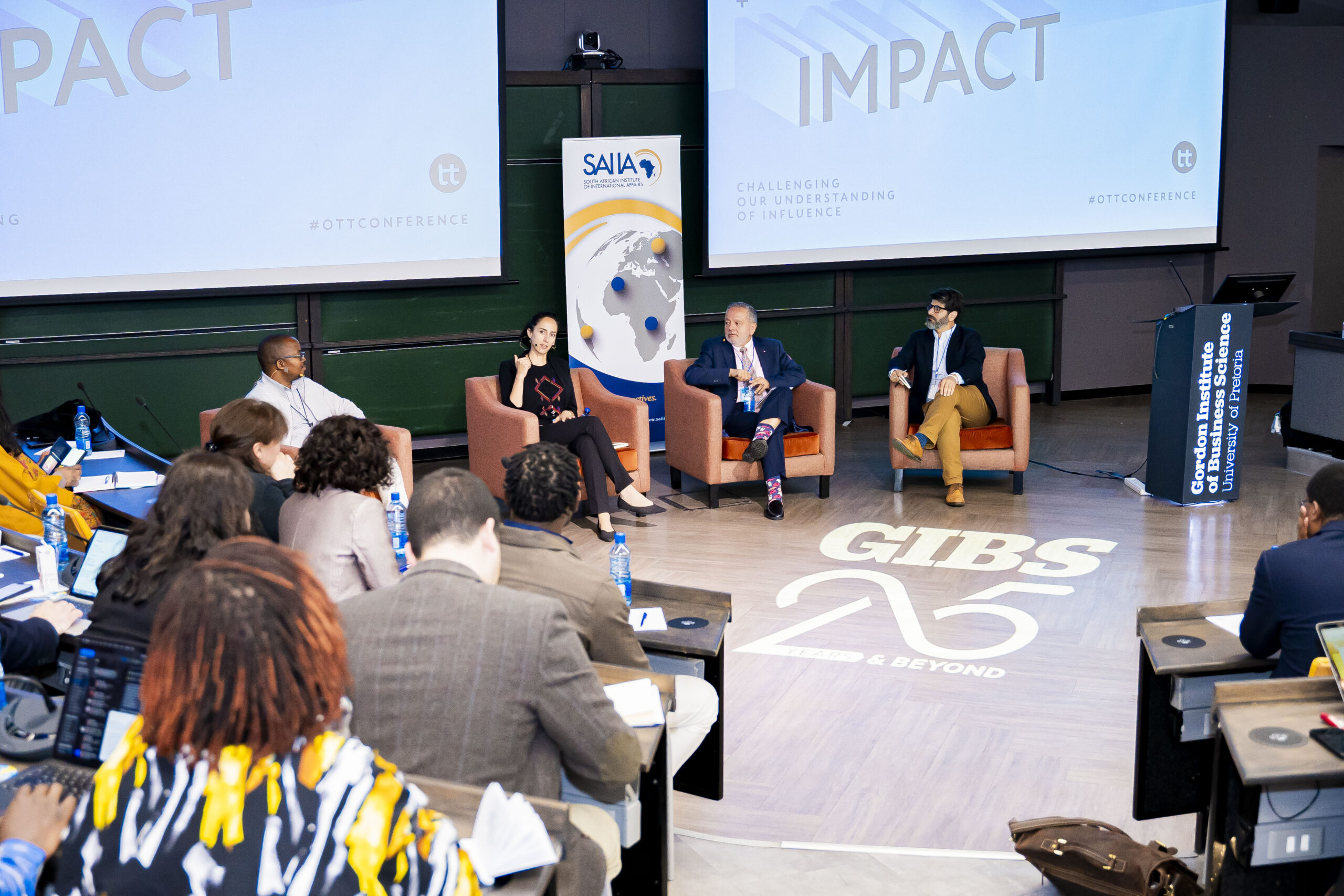
The Funders Panel shed light on the challenges think tanks face due to funding disruptions, which often lead to staff losses, particularly in regions like the Caribbean, where many funders prioritise other areas. The discussion highlighted how repressive political regimes can constrain open debate, forcing think tanks to adapt their research strategies, and noted the bureaucratic hurdles inherent in funder decision-making processes. It was emphasised that new think tanks must proactively publicise their work and engage in professional events to capture funders’ attention, with recommendations from colleagues playing a crucial role in partner selection. The panel also confirmed a significant shift from flexible core funding to more constrained project-based funding, necessitating a greater focus on field building and organisational strength for think tanks, especially from private foundations that enjoy fewer constraints.
Inside, outside, and in between: How think tanks influence policy
- Carien Vorster, Roger Federer Foundation, South Africa
- Nancy Lozano Gracia, Program Manager, Institute for Economic Development, World Bank
- Nompumelelo Nyathi, Deputy Director: Research, Monitoring & Evaluation, Department of Basic Education
- Pamla GoPaul, Senior Program Manager, AU-NEPAD
- Rico Bergemann, Associate Director, IDInsight
- Tatiana Garcia, Manager Colombia Evidencia Potencial en Educación (CEPE), Fundación Empresarios por la Educación
- Facilitator/moderator: Racheal Makokha, Research and Projects Officer, OTT
This session underscored that trust is the paramount currency of change in policy engagement, regardless of whether an organisation operates externally or is embedded within government. It highlighted that even embedded think tanks face significant challenges in getting their evidence adopted internally, often needing to “sell” their own research. Success in influencing policy heavily relies on building strong relationships, identifying champions within government (both political appointees and bureaucrats), and understanding the internal dynamics of relevant departments. The session also stressed the crucial role of a strong, enduring narrative in maintaining an organisation’s relevance and purpose, while emphasising that the effectiveness of any policy influence strategy is profoundly dependent on the specific context and political economy of the environment.
Leading change: Women’s influence in think tanks amidst global challenges and opportunities
- Carolyne Tunnen, Senior Policy and Advocacy Lead, Mawazo Institute
- Scarlett Varga, Secretary General, Bruegel
- Facilitators/moderators:
- Elizabeth Ngala, Director of Finance, Mawazo Institute
- Marie-Thérèse Schreiber, Associate, Apropos – Advancing Process in Politics
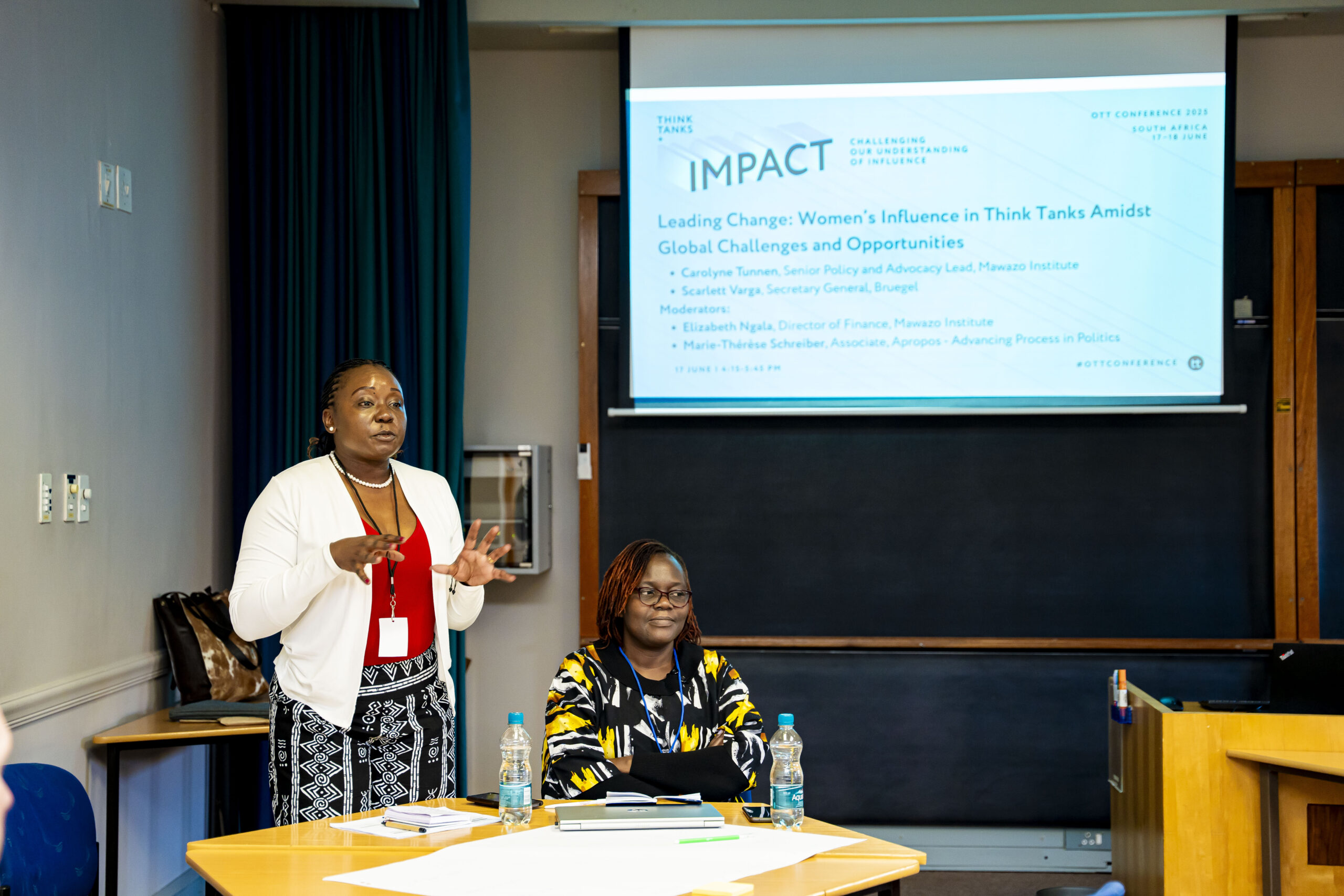
This session underscored a significant deficit of women researchers in Africa and globally, exacerbated by barriers such as limited funding, networking, and mentorship opportunities, alongside persistent unconscious biases. A key insight from the discussion was the critical distinction of sponsorship from mentorship, advocating for influential individuals to actively champion women in decision-making roles to advance their careers. Organisations are urged to implement explicit policies for career progression, flexible working arrangements, including non-gendered parental leave, and even childcare funding for travel, while women are encouraged to be confident, proactive, and challenge perfectionism in their pursuit of leadership. The session powerfully advocates for integrating gender discussions into broader policy objectives like economic growth and climate change, rather than isolating them, to drive systemic change.
The future of international cooperation and its impact on think tanks and evidence-based policy research
- Brian Kagoro, Managing Director of Programmes, Open Society Foundation (OSF)
- Christopher Maloney, Program Officer, Hewlett Foundation
- Montfort Mlachila, Deputy Director in the African Department of the International Monetary Fund (IMF)
- Gala Diaz, Executive Director, CIPPEC
- Zamiyat Abubakar, Network Engagement Officer, Southern Voice
- Facilitator/moderator: Goran Buldioski, Senior Advisor, Hertie School of Governance and OTT
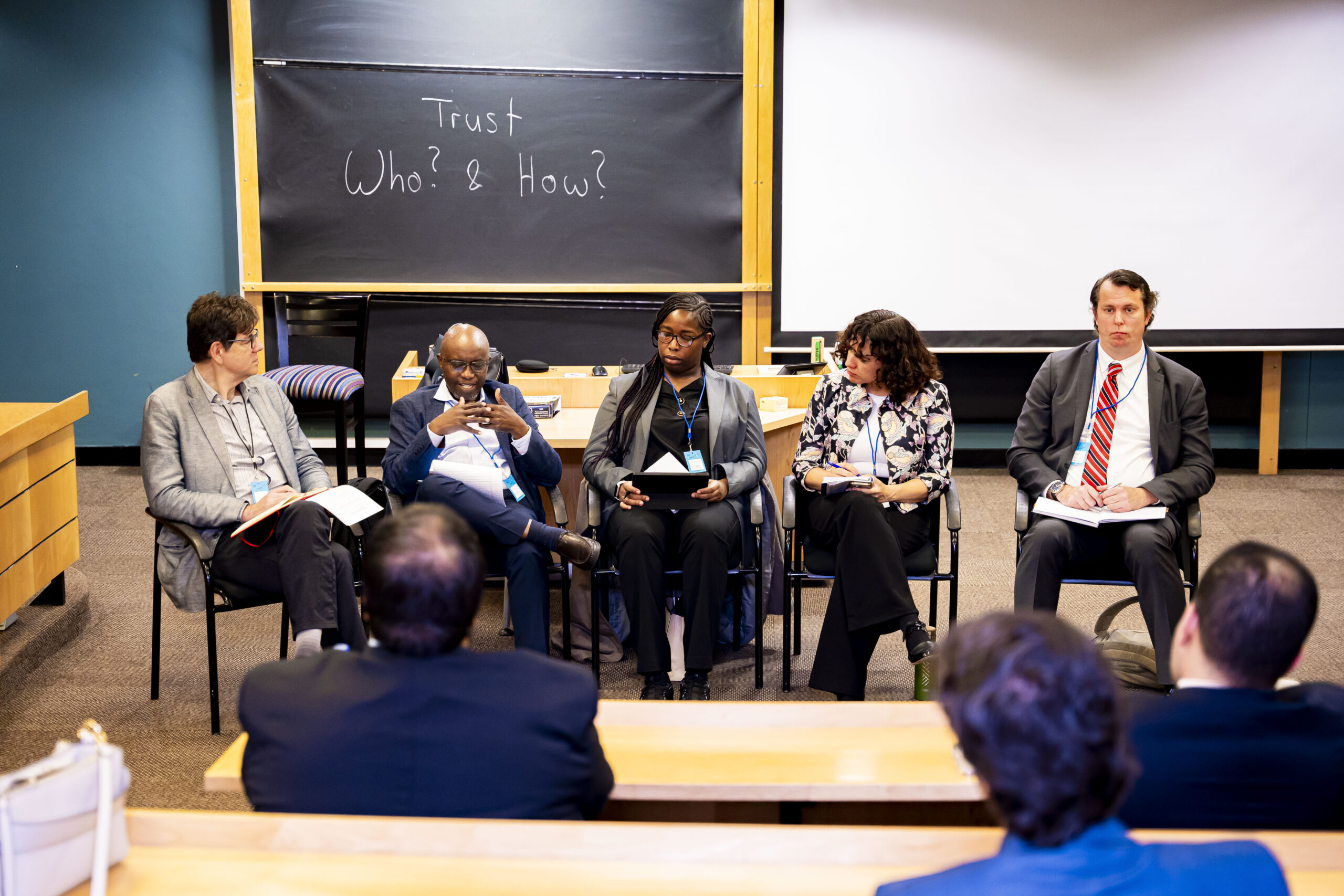
This session explored the profound impact of USAID funding discontinuation and the limitations of philanthropy in fully offsetting cuts from larger bilateral and multilateral donors, highlighting that the world is in a “poly-crisis era” facing “radical uncertainty”. A key takeaway was that think tanks, particularly in the Global South, are uniquely experienced in navigating highly uncertain and restrictive resource environments, with extreme diversification of funding and long-term strategic approaches identified as crucial resilience strategies. The session emphasised that addressing complex international problems necessitates collective action and collaboration among diverse stakeholders to achieve integral solutions, urging think tanks to focus on and effectively showcase their impact, explore consolidation, fee-for-service models, and engage with new funders from emerging economies.